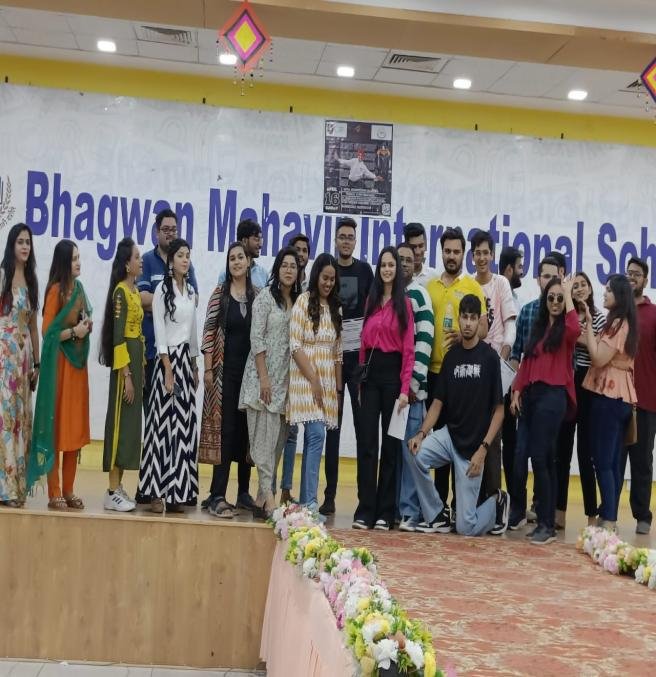
Founded in 2004 as Bhagwan Mahavir College of Business Administration, our institution has grown steadily in scope, reputation, and vision. In 2019, we proudly evolved into Bhagwan Mahavir College of Commerce & Management Studies, marking a significant milestone in our journey towards academic excellence. Over the years, we have established ourselves as a distinguished centre of learning, known for our strong academic programs, accomplished faculty, and commitment to shaping capable, confident, and responsible individuals. The success and standing of the college are best reflected in the quality of our students and the growing trust of parents, alumni, and the wider community.
To be a center of excellence globally in education and research, foster innovation, build socially responsible leaders and entrepreneurs thus becoming a student's centric college where they can find and discover themselves.

Greetings from Bhagwan Mahavir College of Commerce and Management Studies!
It is my privilege to lead an institution that is committed to nurture young minds into responsible, competent, and value-driven professionals. At BMCCMS, we believe education is not just about acquiring degrees, but about fostering curiosity, building character, and preparing students for a dynamic global environment.
Our teaching-learning process blends academic excellence with real-world exposure through industry collaborations, live projects, skill development programs, and value-based education. We encourage our students to think critically, innovate fearlessly, and act ethically in all spheres of life.















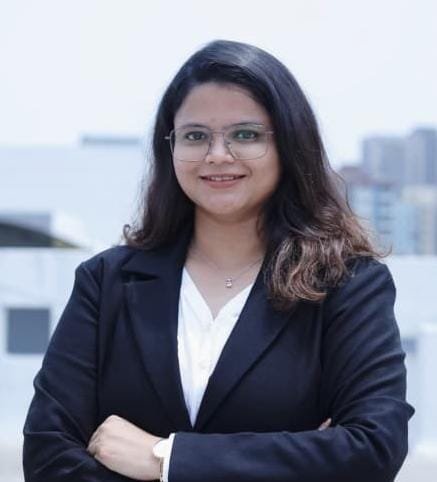











We are pleased to announce our Bachelor of Business Administration (BBA) program — a prestigious three-year undergraduate course designed to nurture future business leaders, entrepreneurs, and management professionals. This program offers a comprehensive blend of theoretical knowledge and practical skills, equipping students to thrive in the competitive corporate world.
The BBA program provides a strong foundation in key areas of business and management, including Accounting, Marketing, Finance, Economics, Human Resource Management, Operations, Business Communication, and Organizational Behavior. The curriculum is crafted to align with global industry standards and incorporates the latest business practices and technological advancements.
Through this program, students develop essential analytical, strategic, and decision-making abilities, along with leadership and communication skills. Emphasis is placed on real-world problem solving, teamwork, and adaptability, preparing graduates for diverse roles across industries such as banking, finance, marketing, consulting, retail, IT, and more.
The learning experience goes beyond textbooks with case studies, industry projects, group discussions, internships, seminars, guest lectures, and field visits. Students are encouraged to participate in business plan competitions, management games, leadership workshops, and entrepreneurship development programs, fostering innovation and practical thinking.
With a forward-looking and industry-relevant curriculum, the BBA program also covers contemporary areas such as digital marketing, business analytics, international business, and startup management. This ensures that graduates are not only job-ready but also equipped to lead in a fast-changing global economy.
The BBA program is the perfect choice for ambitious students who aspire to build strong careers in business or pursue higher education such as an MBA, PGDM, or international management degrees. It lays the groundwork for success in the corporate world, family businesses, startups, and public sector roles alike.
| Subject Code | Subject Name | Subject File |
|---|---|---|
| 1CH201T | Environmental Studies | |
| 1EG101I | Communication Skills - I | |
| 1MG201I | Computer Application | |
| 1MG301T | Financial Accounting | |
| 1MG302T | Principles of Management | |
| 1MG303T | Managerial Economics | |
| 1SO100I | Indian Knowledge System - I |
| Subject Code | Subject Name | Subject File |
|---|---|---|
| 1EG103I | Communication Skills-II | |
| 1MG202I | Financial Literacy | |
| 1MG307T | Marketing Management | |
| 1MG308T | Management Accounting | |
| 1MG309T | Organizational Behavior | |
| 1MG310T | Business Environment | |
| 1YG100I | Yoga |
| Subject Code | Subject Name | Subject File |
|---|---|---|
| 1MG203I | Integrated Personality Development | |
| 1MG204I | Corporate Communication and Public Relations | |
| 1MG325T | Human Resource Management | |
| 1MG326T | Production and Operations Management | |
| 1MG327T | Financial Management | |
| 1MG328T | Intellectual Property Rights | |
| 1SO101I | Indian Knowledge System-II |
| Subject Code | Subject Name | Subject File |
|---|---|---|
| 1MG107I | Health and Wellness | |
| 1MG205I | Business Leadership Skills | |
| 1MG206I | Personal Wealth Management | |
| 1MG333T | Introduction to Taxation | |
| 1MG335T | Entrepreneurship Development | |
| 1MG336T | Quantitative Techniques for Business | |
| 1MG337T | Service Management |
| Subject Code | Subject Name | Subject File |
|---|---|---|
| 1MG100T | Corporate Social Responsibility | |
| 1MG344T | Research Methodology | |
| 1MG345T | Business Start-ups and Innovation | |
| 1MG403P | Summer Internship Project | |
| 1MG211T | Advance Financial Management (Finance Specialization) | |
| 1MG212T | Strategic Financial Management (Finance Specialization) | |
| 1MG215T | Human Resource Development (HR Specialization) | |
| 1MG216T | International Human Resource Management (HR Specialization) | |
| 1MG207T | Advertisement and Brand Management (Marketing Specialization) | |
| 1MG208T | International Marketing Management (Marketing Specialization) |
| Subject Code | Subject Name | Subject File |
|---|---|---|
| 1MG346T | Legal Aspects of Business | |
| 1MG404P | Research Project | |
| 1MG347T | Business Policy and Strategic Management | |
| 1MG209T | Consumer Behaviour (Marketing Specialization) | |
| IMG210T | Personal Selling and Sales Force Management (Marketing Specialization) | |
| 1MG213T | Investment and Portfolio Management (Finance Specialization) | |
| 1MG214T | International Financial Management (Finance Specialization) | |
| IMG217T | Performance and Compensation Management (HR Specialization) | |
| 1MG218T | Managing Industrial Relations (HR Specialization) | |
| IMG101T | Leadership from Vedic Scriptures |
We are pleased to announce our Bachelor in Management Studies (BMS) program — a dynamic and future-oriented three-year undergraduate course that focuses on developing strong managerial and leadership capabilities in students. This program is tailored for individuals who aspire to build successful careers in business management, entrepreneurship, and organizational leadership across a variety of sectors.
The BMS curriculum is a rich blend of theoretical knowledge and practical training, covering key management disciplines such as Business Management, Financial Management, Marketing, Human Resource Management, Operations, Economics, Strategic Management, and Business Law. The program places a strong emphasis on innovation, critical thinking, and strategic decision-making to prepare students for real-world business challenges.
What sets the BMS program apart is its industry-centric approach, incorporating live projects, case studies, business simulations, and collaborative assignments. Students are trained to analyze complex business problems, make data-driven decisions, and manage teams effectively in diverse work environments.
In addition to academic rigor, the program includes internships, industrial visits, guest lectures, seminars, and management workshops, providing exposure to current trends and practices in the business world. Students also participate in leadership activities, communication labs, entrepreneurship cells, and soft skills training to enhance their overall professional profile.
The BMS program offers specialized modules and electives that allow students to explore their areas of interest and align their education with career goals. Topics such as Digital Business, Innovation Management, E-commerce, Business Ethics, and International Business are integrated to ensure relevance in today’s globalized economy.
With its balanced focus on conceptual clarity and applied learning, the BMS program is ideal for students looking to build careers in corporate management, business consulting, finance, marketing, HR, or start their own ventures. It also provides a strong foundation for pursuing higher studies such as MBA, MMS, or international management programs.
| Subject Code | Subject Name | Subject File |
|---|---|---|
| 1CH202T | Environmental Ethics | |
| 1EG101I | Communication Skills - I | |
| 1MG201I | Computer Application | |
| 1MG304T | Principles and Practices Accounting | |
| 1MG305T | Management Principles and Practices | |
| 1MG306T | Fundamentals of Economics | |
| 1SO100I | Indian Knowledge System - I |
| Subject Code | Subject Name | Subject File |
|---|---|---|
| 1EG103I | Communication Skills-II | |
| 1MG311T | Human Resource Management | |
| 1MG312T | Organizational Psychology | |
| 1MG313T | Managerial Economics | |
| 1MG314T | Business Statistics | |
| 1MG401I | Global Study Report | |
| 1YG100I | Yoga |
| Subject Code | Subject Name | Subject File |
|---|---|---|
| 1MG203I | Integrated Personality Development | |
| 1MG204I | Corporate Communication and Public Relations | |
| 1MG329T | Principles of Marketing | |
| 1MG330T | Production and Total Quality Management | |
| 1MG331T | Financial Management-I | |
| 1MG332T | Customer Relationship Management | |
| 1SO101I | Indian Knowledge System-II |
| Subject Code | Subject Name | Subject File |
|---|---|---|
| 1MG107I | Health and Wellness | |
| 1MG205I | Business Leadership Skills | |
| 1MG206I | Personal Wealth Management | |
| 1MG337T | Service Management | |
| 1MG338T | Accounting for Managers | |
| 1MG339T | Financial Management-II | |
| 1MG340T | Banking and Insurance |
| Subject Code | Subject Name | Subject File |
|---|---|---|
| 1MG100T | Corporate Social Responsibility | |
| 1MG344T | Research Methodology | |
| 1MG348T | Digital Business Practices | |
| 1MG403P | Summer Internship Project | |
| 1MG223T | Family Business Management (FB Specialization) | |
| 1MG224T | Project Management for Entrepreneurs (FB Specialization) | |
| 1MG219T | International Trade Policies and Strategies (IB Specialization) | |
| 1MG220T | Import Export Management (IB Specialization) |
| Subject Code | Subject Name | Subject File |
|---|---|---|
| 1MG101T | Leadership from Vedic Scriptures | |
| 1MG347T | Business Policy and Strategic Management | |
| 1MG349T | Intellectual Property Rights | |
| 1MG226T | Entrepreneural Marketing (FB Specialization) | |
| 1MG228T | Family Business Finance (FB Specialization) | |
| 1MG222T | International Business Environment (IB Specialization) | |
| 1MG223T | Transnational & Cross- Cultural Marketing (IB Specialization) | |
| 1MG404P | Research Project |
We are pleased to announce our Bachelor of Commerce (B.Com) program — a well-established and highly respected three-year undergraduate course designed to provide students with a strong grounding in commerce, finance, and accounting. This program is ideal for those who aspire to build careers in commerce, finance, banking, taxation, or pursue higher studies in professional and academic fields.
The B.Com curriculum offers in-depth knowledge in core subjects such as Financial Accounting, Cost Accounting, Business Economics, Business Law, Auditing, Taxation, Corporate Law, and Financial Management. The course aims to equip students with analytical skills, business acumen, and a comprehensive understanding of commercial and financial systems.
What distinguishes the B.Com program is its balance between theoretical knowledge and practical learning. Students engage in projects, case studies, group discussions, and presentations that help bridge the gap between classroom concepts and industry application. The program encourages analytical thinking and develops decision-making and problem-solving abilities essential in the modern financial world.
Beyond academics, students benefit from internships, expert talks, industry visits, and workshops that provide insights into real-world business practices. Regular interactions with professionals from the accounting, taxation, and corporate sectors prepare students for industry expectations and professional growth.
The B.Com program also covers emerging areas such as GST, digital finance, investment analysis, and corporate governance, ensuring students stay up to date with the evolving business landscape. The course structure is aligned with the requirements of professional courses such as CA, CS, CMA, CFA, and MBA, making it a strategic choice for aspirants targeting competitive certifications or postgraduate studies.
With its broad-based approach and emphasis on employability, the B.Com program opens doors to a wide range of career opportunities in banking, auditing, taxation, finance, insurance, consulting, and government services. It also lays a solid foundation for entrepreneurship or family business management.
| Subject Code | Subject Name | Subject File |
|---|---|---|
| 1BC301T | Financial Accounting-I | |
| 1BC302T | Principles of Management | |
| 1BC317T | Business Economics-I | |
| 1BC410T | Banking and Insurance-I | |
| 1EG101I | Communication Skills - I | |
| 1MG201I | Computer Application | |
| 1SO100I | Indian Knowledge System - I |
| Subject Code | Subject Name | Subject File |
|---|---|---|
| 1BC303T | Financial Accounting-II | |
| 1BC304T | Business Organization and Management | |
| 1BC318T | Business Economics-II | |
| 1BC411T | Business Statistics-I | |
| 1EG103I | Communication Skills-II | |
| 1MG202I | Financial Literacy | |
| 1YG100I | Yoga |
| Subject Code | Subject Name | Subject File |
|---|---|---|
| 1BC305T | Corporate Accounting-I | |
| 1BC306T | Cost Accounting-I | |
| 1BC307T | Macro Economics-I | |
| 1BC325T | Human Resources Management | |
| 1MG203I | Integrated Personality Development | |
| 1MG204I | Corporate Communication and Public Relations | |
| 1SO101I | Indian Knowledge System-II |
| Subject Code | Subject Name | Subject File |
|---|---|---|
| 1BC308T | Corporate Accounting-II | |
| 1BC309T | Cost Accounting-II | |
| 1BC310T | Macro Economics-II | |
| 1BC413T | Banking and Insurance-II | |
| 1MG107I | Health and Wellness | |
| 1MG205I | Business Leadership Skills | |
| 1MG206I | Personal Wealth Management |
| Subject Code | Subject Name | Subject File |
|---|---|---|
| 1BC311T | Management Accounting and Auditing - I | |
| 1BC313T | Financial Markets | |
| 1BC315T | Taxation- I | |
| 1MG100T | Corporate Social Responsibility | |
| 1MG344T | Research Methodology | |
| 1MG403P | Summer Internship Project |
| Subject Code | Subject Name | Subject File |
|---|---|---|
| 1MG349? | Intellectual Property Rights | |
| 1MG404P | Research Project | |
| 1BC312T | Management Accounting and Auditing - II | |
| 1BC314T | Corporate Financial Reporting | |
| 1BC316T | Taxation - II | |
| 1MG101? | Leadership from Vedic Scriptures |
We are pleased to announce our Bachelor of Commerce (Professional) program — a specialized three-year undergraduate course crafted to prepare students for the dynamic demands of the accounting, finance, and corporate sectors. This program goes beyond the traditional B.Com curriculum, offering an industry-integrated learning experience that is ideal for those aspiring to pursue careers in professional domains such as Chartered Accountancy (CA), Company Secretary (CS), Cost and Management Accountancy (CMA), or global certifications like ACCA and CPA.
The B.Com (Professional) program provides a strong academic foundation in key subjects such as Advanced Accounting, Financial Reporting, Corporate Law, Taxation, Cost Accounting, Auditing, Business Economics, and Strategic Management. What sets this program apart is its career-oriented approach, where academic learning is aligned with professional examination syllabi and industry needs.
Students are trained with a blend of conceptual clarity, practical exposure, and exam-readiness, helping them to simultaneously pursue professional courses alongside their degree. The curriculum is designed to enhance analytical thinking, financial literacy, and compliance skills, making students highly employable in both Indian and international business environments.
The learning experience is enriched with expert-led workshops, mock exams, industry projects, live case studies, and internship opportunities. Regular sessions with practicing CAs, corporate professionals, and subject matter experts provide valuable insights into the expectations of the financial world. Personalized mentoring and skill-based training ensure students stay ahead in a competitive landscape.
With a strong focus on professional grooming, the B.Com (Professional) program also covers soft skills, communication, digital tools in accounting, business ethics, and emerging areas like financial technology (FinTech) and compliance management. This prepares students for roles that require both technical knowledge and ethical decision-making in corporate, audit, banking, and financial services sectors.
Ideal for ambitious commerce students aiming for early career success, this program is a strategic pathway to becoming well-rounded finance professionals. Whether the goal is clearing CA/CS/CMA exams, joining a multinational company, or managing a business, the B.Com (Professional) program lays a strong and relevant foundation for a rewarding future.
| Subject Code | Subject Name | Subject File |
|---|---|---|
| 1060206101 | Fundamentals of Economics - I | |
| 1060206102 | Fundamentals of Accounting - I | |
| 1060206103 | Business and commercial laws - I | |
| 1060206104 | Fundamentals of Business Mathematics and Statistics - I | |
| 1060206105 | Environmental Studies | |
| 1060206106 | Newsroom and Contemporary issues (PROJECT) |
| Subject Code | Subject Name | Subject File |
|---|---|---|
| 1060206201 | Fundamentals of Economics - II | |
| 1060206202 | Fundamentals of Accounting - II | |
| 1060206203 | Business and commercial laws - II | |
| 1060206204 | Fundamentals of Logical reasoning and Statistics - II | |
| 1060206205 | Business and Commercial Knowledge | |
| 1060206206 | English |
| Subject Code | Subject Name | Subject File |
|---|---|---|
| 1060206301 | Financial Management-I | |
| 1060206302 | Strategic Management | |
| 1060206303 | Advance Accounting | |
| 1060206304 | Cost Accounting | |
| 1060206305 | Accounting Standards | |
| 1060206306 | Business Ethics and Corporate Social Responsibility |
| Subject Code | Subject Name | Subject File |
|---|---|---|
| 1060206401 | Financial Management-II | |
| 1060206402 | Management Accounting | |
| 1060206403 | Corporate Accounting | |
| 1060206404 | Auditing and Assurance | |
| 1060206405 | Company Law | |
| 1060206406 | Intellectual Property Rights |
| Subject Code | Subject Name | Subject File |
|---|---|---|
| 1060206501 | Fundamentals of Taxation | |
| 1060206502 | Research Methodology | |
| 1060206503 | Strategic Cost Management and Performance Evaluation | |
| 1060206504 | Corporate and Economic Laws | |
| 1060206505 | Direct Tax Laws-I (Elective - 1) | |
| 1060206507 | Drafting, Pleadings and Appearances –I (Elective - 1) | |
| 1060206509 | Cost and Management Audit – I (Elective - 1) | |
| 1060206506 | Indirect Tax Laws-I (Elective - 2) | |
| 1060206508 | Secretarial Audit, Compliance Management and Due Diligence – I (Elective - 2) | |
| 1060206510 | Strategic Cost Management – I (Elective - 2) |
| Subject Code | Subject Name | Subject File |
|---|---|---|
| 1060206601 | Securities Law and Capital Market | |
| 1060206602 | Research Project | |
| 1060206603 | Enterprise Information Systems | |
| 1060206610 | Digital Marketing | |
| 1060206604 | Direct Tax Laws-II (Elective -1) | |
| 1060206606 | Drafting, Pleadings and Appearances –II (Elective -1) | |
| 1060206608 | Cost and Management Audit – II (Elective -1) | |
| 1060206605 | Indirect Tax Laws-II (Elective -2) | |
| 1060206607 | Secretarial Audit, Compliance Management and Due Diligence – II (Elective -2) | |
| 1060206609 | Strategic Cost Management – II (Elective -2) |
We are pleased to announce our Master of Commerce (M.Com) program — a two-year postgraduate degree designed to provide in-depth knowledge and specialized skills in the field of commerce, finance, and business management. This program is ideal for graduates looking to advance their academic understanding, enhance their career prospects, or prepare for research and teaching roles in higher education.
The M.Com program offers a comprehensive curriculum covering advanced subjects such as Financial Management, Corporate Accounting, Cost and Management Accounting, Business Research Methods, Strategic Management, International Business, Taxation, and Corporate Laws. It is structured to help students develop strong analytical, quantitative, and problem-solving abilities essential for higher-level roles in finance, banking, and corporate sectors.
One of the key strengths of the M.Com program is its research-oriented and industry-relevant approach. Students engage in case studies, dissertations, academic projects, and seminars that encourage critical thinking and application-based learning. The program also includes electives and specialization options that allow students to tailor their studies according to their career goals, such as Finance, Accounting, Taxation, or Banking.
To bridge the gap between academia and industry, the program includes guest lectures by industry experts, internship opportunities, skill-building workshops, and interactions with chartered accountants, financial analysts, and business consultants. This ensures that students are not only academically proficient but also job-ready.
The M.Com program is an excellent stepping stone for students who wish to pursue professional certifications like CA, CS, CMA, CFA, or CFP, or advance into Ph.D., M.Phil., or NET/SET preparation for academic careers. It also opens doors to high-level opportunities in corporate finance, investment banking, taxation, auditing, education, research, and public sector enterprises.
With its rigorous curriculum, academic depth, and career-focused approach, the M.Com program is a perfect choice for commerce graduates who are looking to gain an edge in the world of finance, academia, or business leadership.
| Subject Code | Subject Name | Subject File |
|---|---|---|
| 1060305101 | Management Theory & Cases | |
| 1060305102 | Economics Growth & Development | |
| 1060305103 | Financial & Management Accounting Paper – I | |
| 1060305104 | Financial & Management Accounting Paper – II | |
| 1060305105 | Financial & Management Accounting Paper – III | |
| 1060305106 | Advertising & Sales Management-I |
| Subject Code | Subject Name | Subject File |
|---|---|---|
| 1060305201 | Management Theory & Cases - II | |
| 1060305202 | Economics Growth and Development -II | |
| 1060305203 | Financial & Management Accounting Paper - IV | |
| 1060305204 | Financial & Management Accounting Paper - V | |
| 1060305205 | Financial & Management Accounting Paper - VI | |
| 1060305206 | Advertising & Sales Management - II |
| Subject Code | Subject Name | Subject File |
|---|---|---|
| 1060305301 | Organized Markets - I | |
| 1060305301 | Organized Markets - I | |
| 1060305302 | Financial Management - I | |
| 1060305303 | Financial & Management Accounting Paper - VII | |
| 1060305304 | Financial & Management Accounting Paper - VIII | |
| 1060305305 | Financial & Management Accounting Paper - IX | |
| 1060305306 | Strategic Management - I |
| Subject Code | Subject Name | Subject File |
|---|---|---|
| 1060305401 | Organized Markets - II | |
| 1060305402 | Financial Management - II | |
| 1060305403 | Financial & Management Accounting Paper - X | |
| 1060305404 | Financial & Management Accounting Paper - XI | |
| 1060305405 | Financial & Management Accounting Paper - XII | |
| 1060305406 | Strategic Management - II |
The M.Com (Gujarati Medium) program is a two-year postgraduate course specially designed for students who wish to pursue higher education in commerce through the Gujarati language. In today’s competitive world, basic knowledge is no longer enough—students need a deeper understanding of the subject along with research abilities and professional skills. This program includes advanced and industry-relevant subjects such as Financial Management, Corporate Accounting, Cost and Management Accounting, Business Research Methods, International Business, Strategic Management, Taxation, and Corporate Laws.
To ensure practical exposure along with academic knowledge, the curriculum integrates case studies, academic projects, research work, seminars, and interactions with industry professionals. Students are also given the option to specialize in areas such as Finance, Accounting, Taxation, or Banking, depending on their career interests.
By offering education in the Gujarati language, the program allows students to grasp technical concepts more easily in their mother tongue, building both comprehension and confidence. The M.Com (Gujarati Medium) program also provides a strong foundation for students preparing for competitive exams like NET/SET, CA, CS, CMA, and CFA. Additionally, it opens pathways to successful careers in teaching, research, financial management, auditing, investment banking, tax consultancy, and public sector services. In summary, this program empowers students with a solid academic base, a practical outlook, and a clear path to a bright and successful future—all while learning in the comfort of their own language.
| Subject Code | Subject Name | Subject File |
|---|---|---|
| 1060305101 | Management Theory & Cases | |
| 1060305102 | Economics Growth & Development | |
| 1060305103 | Financial & Management Accounting Paper – I | |
| 1060305104 | Financial & Management Accounting Paper – II | |
| 1060305105 | Financial & Management Accounting Paper – III | |
| 1060305106 | Advertising & Sales Management-I |
| Subject Code | Subject Name | Subject File |
|---|---|---|
| 1060305201 | Management Theory & Cases - II | |
| 1060305202 | Economics Growth and Development -II | |
| 1060305203 | Financial & Management Accounting Paper - IV | |
| 1060305204 | Financial & Management Accounting Paper - V | |
| 1060305205 | Financial & Management Accounting Paper - VI | |
| 1060305206 | Advertising & Sales Management - II |
| Subject Code | Subject Name | Subject File |
|---|---|---|
| 1060305301 | Organized Markets - I | |
| 1060305302 | Financial Management - I | |
| 1060305303 | Financial & Management Accounting Paper - VII | |
| 1060305304 | Financial & Management Accounting Paper - VIII | |
| 1060305305 | Financial & Management Accounting Paper - IX | |
| 1060305306 | Strategic Management - I |
| Subject Code | Subject Name | Subject File |
|---|---|---|
| 1060305401 | Organized Markets - II | |
| 1060305402 | Financial Management - II | |
| 1060305403 | Financial & Management Accounting Paper - X | |
| 1060305404 | Financial & Management Accounting Paper - XI | |
| 1060305405 | Financial & Management Accounting Paper - XII | |
| 1060305406 | Strategic Management - II |
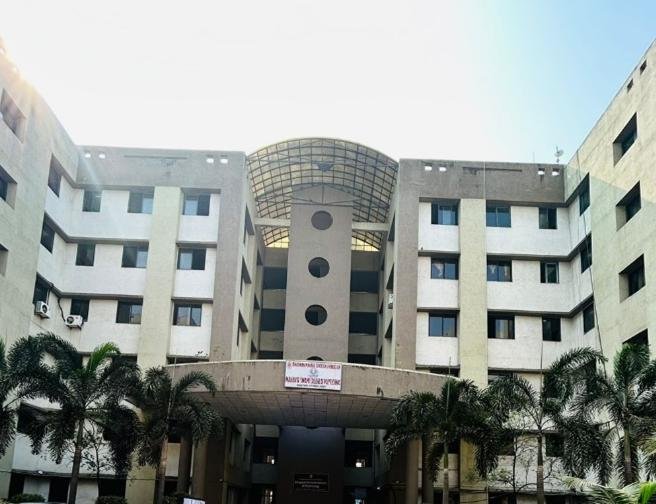
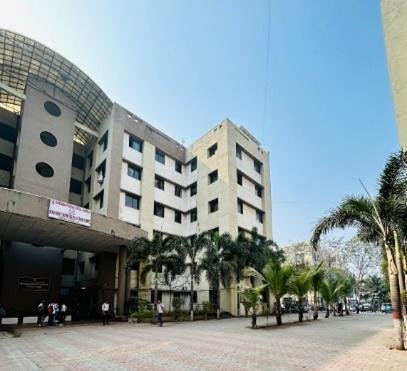
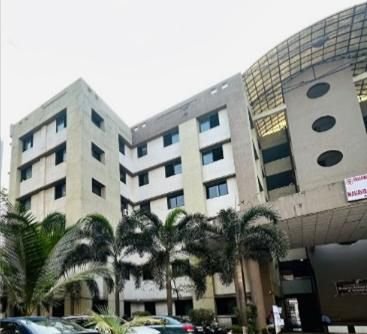
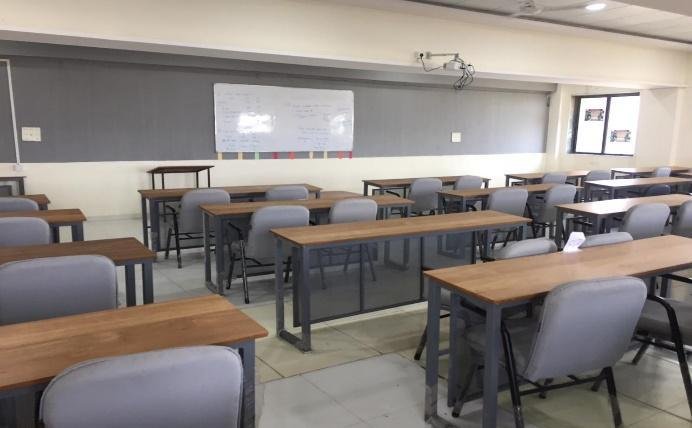
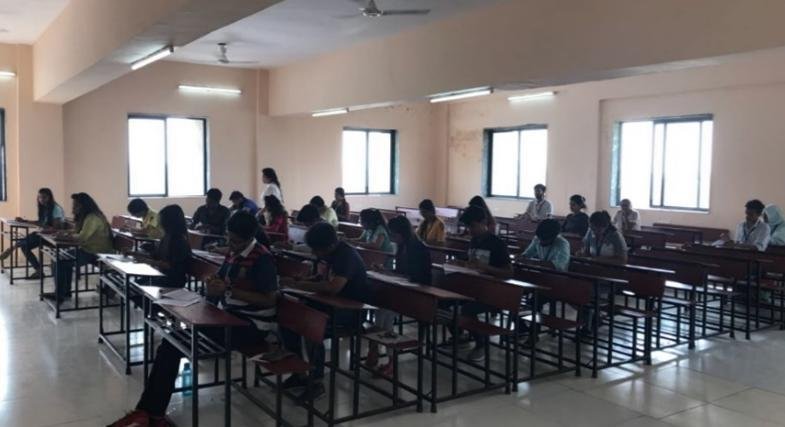
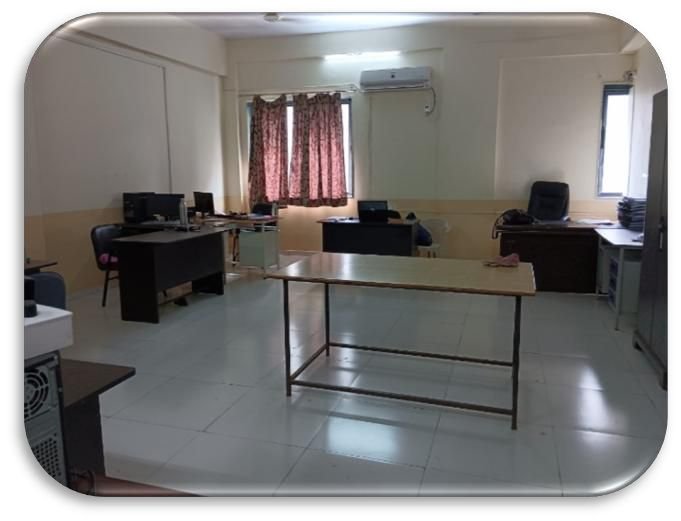
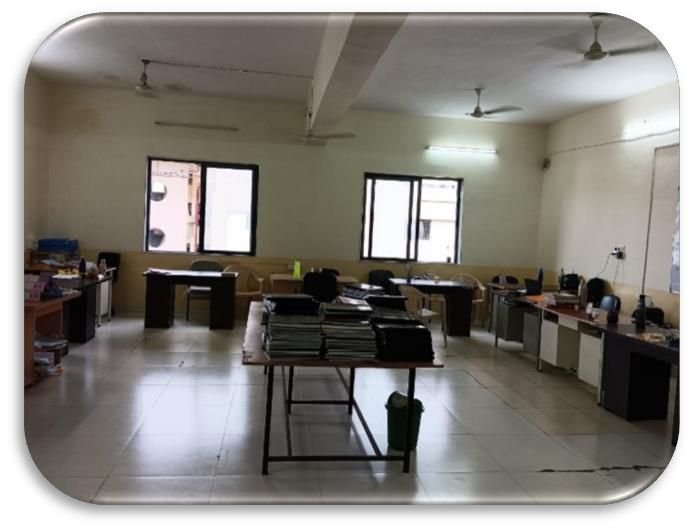
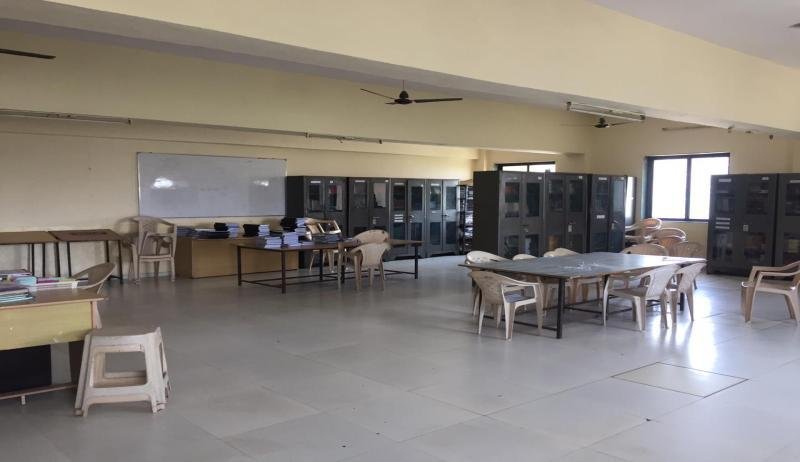
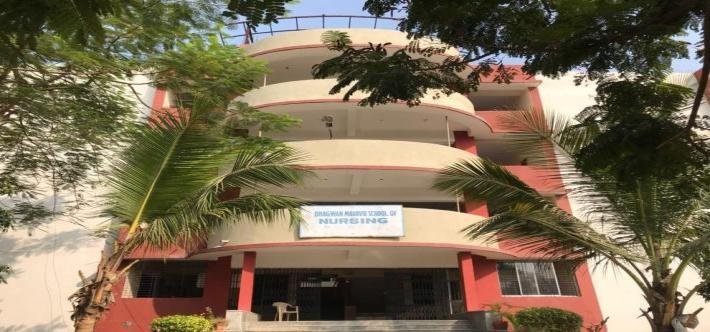
20+ acres of world-class infrastructure designed for learning, innovation, and growth.





|
|
Student Name | Company Name | Department Name |
|---|---|---|---|
|
|
Rawal Kunal | Paytm | Bachelor of Business Administration |
|
|
Nishtha Lalwani | Shah Digital Marketing & Coaching | Bachelor of Management Studies |
|
|
Tanvi Lalwani | Shor Idea | Bachelor of Management Studies |
|
|
Shristhi Rathor | Shah Digital Marketing & Coaching | Bachelor of Management Studies |
|
|
Drasthi Panchal | Venus Consultancy | Bachelor of Business Administration |
|
|
VINEELA THALLURI | House of Comfort | Bachelor of Business Administration |
|
|
VINEETHA THALLURI | House of Comfort | Bachelor of Business Administration |




|
|
Brochure Subject | Brochure File |
|---|
| Circular Date | Circular Name | Circular File |
|---|